
Starting a new chapter in your health journey is very exciting. It feels like opening a brand new book. You might be sitting on the porch of a classic bungalow or a modern city apartment. While you relax, you might check your fitness watch. You notice your pulse is a little faster than it used to be. You start to wonder, does Tirzepatide increase heart rate? It is very normal to have questions about how a new medicine affects your body.
This medication is a huge breakthrough for many people. However, knowing how it changes your body’s rhythm is important for your peace of mind. We want you to feel comfortable and safe as you work toward your goals.
The Science: How Tirzepatide Affects Your Pulse
When you take a new medicine, your body has to learn how to handle it. Scientists have looked closely at how this drug changes the way your heart beats. In many studies, they found that people did see a small change in their pulse.
Usually, the increase is very small. Most people see their heart beat about 2 to 4 times more per minute. This is called a change in your resting heart rate.
For most people, this is a very minor shift. It happens because the medicine talks to your nervous system. This is the part of your body that controls things you don’t think about, like breathing and your heartbeat.
What the Research Says
Big medical studies like the SURMOUNT trials have tracked thousands of people. These studies show that the slight increase in heart rate is very common. The good news is that for most people, the heart rate usually stays steady after a few weeks.
Your body is very good at finding a new balance. It learns to work with the medicine over time. As you stay on the treatment, your heart often gets used to the new pace.
Is It Permanent?
Many patients ask if their heart will always beat this fast. Usually, your body adjusts as you continue the treatment. The increase is not usually something that keeps going up and up.
Think of it like walking a little bit faster than normal. Your body knows how to handle it. Your doctor will help you keep an eye on this as you progress.
Why Your Heart Rate Might Feel Different
There is a big difference between a slightly faster pulse and a racing heart. A faster pulse is just a few extra beats. Palpitations are when it feels like your heart is skipping a beat or thumping hard.
It is important to know the difference so you don’t worry too much. Sometimes, other things in your life can make your heart beat faster too.
Just imagine a very humid summer afternoon in the South. Or think about walking up a steep street in a city like San Francisco. These things make your heart work harder, just like the medicine might.
- Dehydration: If you don’t drink enough water, your pulse can go up.
- Caffeine: Drinking too much coffee or soda can make your heart race.
- Stress: Feeling worried about your new journey can change your heart rhythm.
- Rapid Weight Loss: As you lose weight fast, your blood pressure and heart workload change.
Start Your Healthy Chapter: Get a Tirzepatide Prescription for Weight Loss — 100% Online
At Tirzepatide Well, we help you reach your weight loss goals with a simple and hassle-free online process. You can connect with licensed U.S. doctors from the comfort of your home, whether you live in a suburban neighborhood or a busy urban center. We are proud to serve all 50 U.S. states, offering access to Tirzepatide—the active ingredient in Zepbound® and Mounjaro®—which is clinically proven to help patients lose up to 20% of their body weight on average when guided by medical experts.
Our mission at Tirzepatide Well is to keep your care transparent with a flat price of $399 per month. This includes your medical consultation, your prescription, the medication, and free home delivery. We also offer Oral Tirzepatide for those who prefer an alternative to injections. You can access leading GLP-1 weight loss treatments, including Tirzepatide, Zepbound®, Mounjaro®, Ozempic®, and Semaglutide, through our 100% online process. Book your free online consultation with a licensed doctor today to start losing weight with proven science and expert care at Tirzepatide Well.
When to Be Concerned About Heart Rate Changes
Most of the time, a faster heartbeat is not a big deal. However, you should always know what a “red flag” looks like. A red flag is a sign that you need to call your doctor.
Doctors look for something called tachycardia. This is a fancy word for when your heart beats over 100 times per minute while you are resting.
If your pulse stays that high for a long time, it is important to find out why. Your heart is a muscle, and we want to make sure it stays strong and healthy.
Signs of Tachycardia
If you feel like your heart is pounding even when you are just sitting on the couch, take note. You might also feel a little extra tired or “jittery.”
Monitoring your pulse with a simple watch can help you see if it stays high. If it does, your doctor might want to adjust your dose.
When to Talk to a Doctor
There are some symptoms that mean you should get help right away. If you feel pain in your chest, you should call a doctor.
If you feel very dizzy or like you might faint, that is also a sign. Severe shortness of breath while you are not moving is another reason to speak up.
During your initial consultation with the professionals at Tirzepatide Well, you should share any history of heart issues. Tell them if you have high blood pressure or if your heart has ever beaten too fast before. This helps them make the safest plan for you.
Practical Tips for Heart Health on Tirzepatide
You can do small things every day to help your heart stay in a good rhythm. These tips are easy to follow and will make you feel better overall.
First, make sure you stay hydrated. Drinking plenty of water is very important when taking this medicine. This is especially true if you are dealing with Texas heat or Midwest winters that dry you out.
When you are dehydrated, your blood gets a bit thicker. This makes your heart have to pump harder and faster. Drinking water keeps your blood flowing easily and keeps your pulse down.
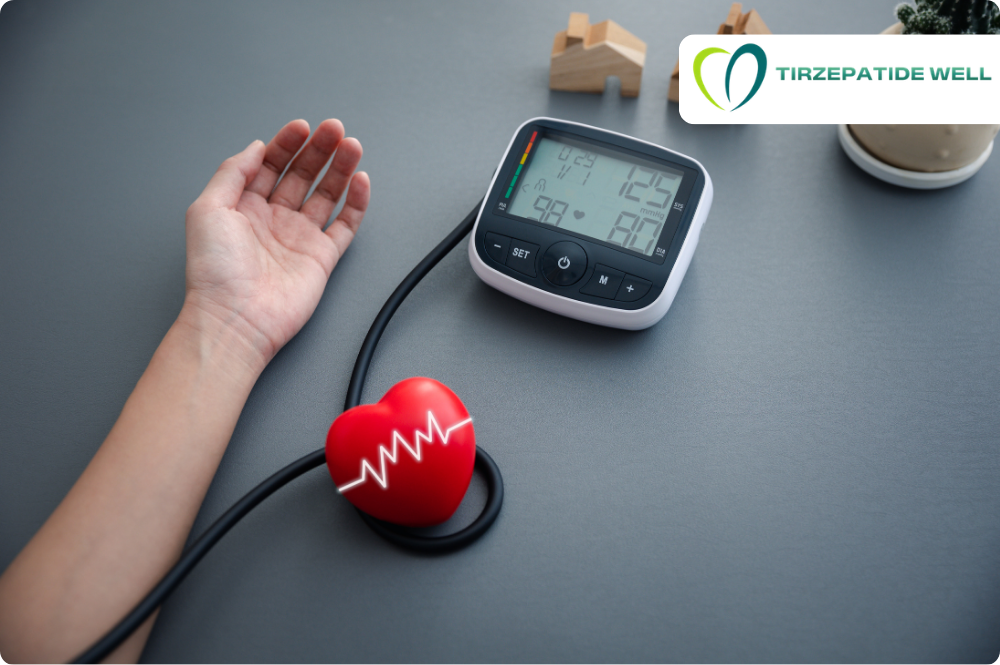
Second, try to monitor your progress. You don’t need fancy tools. A simple smartwatch or a kiosk at your local pharmacy can help you track your trends.
Third, listen to your body. Just as you’d take a break during a hike at a local state park if you felt winded, give yourself grace. Listen to your heart and give your body time to rest during the titration phase.
This is the time when your doctor slowly increases your dose. Your heart might need a few extra days to get used to each new level.
Conclusion: A Balanced View of Your Heart Safety
Losing weight is one of the best things you can do for your heart. It helps lower your blood pressure and makes it easier for you to move. For most people, these big benefits are much more important than a small increase in pulse.
A slight increase in your heartbeat is a normal part of how the medicine works. As long as you feel good and stay in touch with your doctor, you are on a great path.
Remember to drink your water and take things one day at a time. Your heart is working hard to help you get healthy, and you are doing a great job supporting it.
If you are ready to start your journey, reach out to our team. We are here to help you every step of the way with expert care and support. Your new chapter is waiting for you!
Frequently Asked Questions (FAQ)
Does heart rate go back to normal after stopping?
Yes, for almost everyone, the heart rate goes back to where it was before. Once the medicine leaves your body, your pulse returns to its normal resting speed.
Can I exercise if my heart rate is slightly higher?
Most people can still exercise just fine. In fact, regular walking on local trails or in neighborhood parks is great for your heart. Just make sure to start slow and see how you feel.
Does the dosage affect how fast my heart beats?
Sometimes, a higher dose can cause a slightly higher pulse. This is why doctors start you on a low dose and move up slowly. It gives your heart plenty of time to adjust.
Should I stop drinking coffee?
You don’t have to stop completely, but you might want to cut back. Since both caffeine and the medicine can raise your pulse, having too much of both might make you feel shaky.
By monitoring your symptoms and staying in touch with your doctor, you can safely navigate the question: Does Tirzepatide increase heart rate? as you work toward your goals.
Authentic Sources:
- The New England Journal of Medicine (NEJM): SURMOUNT-1 Trial Heart Rate Results
- FDA.gov: Safety Information and Cardiovascular Warnings for Zepbound
- National Institutes of Health (NIH): Research on GLP-1 Receptor Agonists and Pulse Changes